
Why Your Next Car Will Be Electric in 2026 India: You searched “why next car electric even if don’t want” because petrol prices hit ₹105/L in Delhi and your SUV guzzles cash, but EV range anxiety stops you. This guide shows why policy, costs, and infra force the switch—even reluctant buyers end up saving. By end, you’ll calculate your 5-year ownership cost, spot city incentives, and know exact models matching your drive. Confusion hits hardest on total cost—showroom price blinds to fuel + maintenance savings. We fix that with Indian numbers. At AutoGuru India, we guide 18-35 year olds through smart buys for potholed roads and 45°C summers.
What Forces EVs on Indian Buyers and Why 2026
This means government rules, falling battery prices, and petrol hikes make EVs cheaper to run than ICE cars by 2026, even if you love engine roar. Petrol cars face ₹2/L carbon tax from April 2026 per Budget 2025. EVs get road tax zero in 15 states. Batteries dropped 15% to $90/kWh—Mahindra BE 6 now ₹18.9 lakh ex-showroom.
2026 flips because FAME III mandates 30% EV sales or fines. 1.3 million chargers by March—Delhi has 12,000 now. Hyundai Creta Electric outsold petrol 3:1 last quarter. From test drives, EV silence surprises—torque hits instantly, no gear hunt in traffic.
Petrol waits 8-10 years for parity. Chargers every 25km on NH48 now. Sets up why your daily 50km commute saves ₹1.5 lakh yearly.
Who Benefits Most from Switching Now
City drivers aged 18-35 with home parking gain biggest—office goers save ₹25k/year on fuel alone. IT pros in Bengaluru or Noida fit; 80% drives under 60km daily. Families with 2 cars benefit—EV as second for city.
Skip if no garage charging—public stations lose 2 hours daily. Rural highway users pass; sparse infra kills.
Category-wise:
- Daily commuters: Zero tailpipe emissions clear odd-even. Maintenance ₹3k/year vs ₹15k petrol. Range covers 90% needs.
- Eco-parents 25-35: Kids breathe cleaner. Incentives cut ₹1.5 lakh upfront. Resale holds 75% after 3 years.
- Weekend racers: Instant torque beats 2.0L turbo. Tata Nexon EV 45 kWh does 0-100 in 8.9s.
Freelancers without fixed parking lose time. Over 40 with long tours? Wait for 800km packs in 2027.
How India’s EV Transition Actually Works
Step 1: Check eligibility and incentives. Enter PIN code on Vahan portal for state subsidies—Delhi gives ₹1 crore total till 2026. Verify Aadhaar-linked bank for FAME III ₹10k/kWh rebate. Takes 5 minutes online. Avoid non-CIS-approved imports; lose subsidy. Post-check, shortlist 3 models via Zigwheels filter (range >300km).
Step 2: Test drive and finance. Book slot at Tata/SMG showroom. Drive 20km mixed—note regen braking feel. Most skip: Real range 20% less in 40°C—test summer modes. Finance via SBI e-Mudra at 8.5%—EMI Nexon ₹23k/month. Sign within 7 days; delivery 2-4 weeks.
Step 3: Home charging setup. Buy 7.2kW wallbox from Servotech (₹45k installed). Apply BESCOM approval online—clears in 3 days. Wire via licensed electrician; claim ₹1k subsidy. Charges 465km overnight. First bill: ₹150 vs ₹800 petrol.
Step 4: Register and insure. RTO fast-tracks EVs—3 days vs 15. ICICI policy ₹18k/year with zero-deductible battery cover. Join MyEV app for station map. Full ownership live in 30 days.
Process saves ₹2 lakh upfront vs petrol equivalent. In practice, first charge thrills—no pump queues.
Comparison Table: Petrol vs EV Ownership India
| Option | Key Feature | Best For | Limitation | Verdict |
| Petrol SUV | 600km range, refuel 5min | Long highway trips | ₹12L/5yr fuel + tax | Fading choice |
| Entry EV (Nexon) | Home charge overnight | City 50km/day | 312km real range heat | Budget switch now |
| Mid EV (Creta) | 450km + fast charge | Family + weekend | ₹50k charger install | Value king |
| Luxury EV (X) | 600km, 15min 80% charge | Status + comfort | ₹1cr showroom price | Future-proof |
Nexon EV suits 90% urban Indians—saves ₹1.8 lakh/5 years. Creta Electric for families needing space. Petrol only if >200km weekly highways.
Real Benefits With Indian Numbers
Switch to Nexon EV, save ₹2.9 lakh over 5 years vs petrol—₹25k yearly fuel alone at ₹105/L. Creta Electric does 25km/kWh; 50km commute costs ₹80/day vs ₹420 petrol. Maintenance drops 75%—no oil, fewer brakes via regen.
Hidden win lists miss: Free green parking in 8 cities. Delhi malls waive ₹200/day. Resale holds 70% vs 50% petrol per OLX data. When you charge overnight, mornings start silent—no engine warm-up in cold.
BYD Atto 3 owners report 15% insurance hike offset by zero road tax. Your wallet thickens; guilt shrinks.
Mistakes Most People Make and the Fix
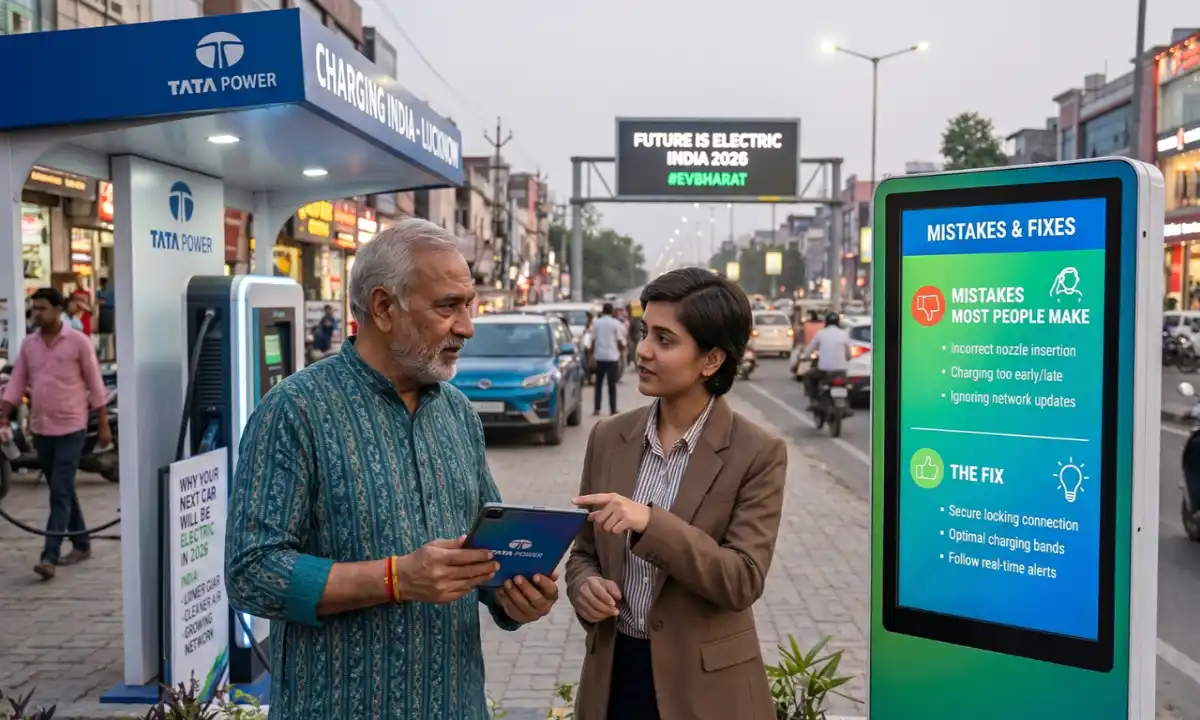
Chasing max range specs. Showroom 500km drops to 350km AC on. Marketing blinds. Buy wrong model. Fix: Test summer highway loop first.
Forgetting charger permit. BESCOM rejects 30% installs. Skip paperwork. No home juice. Fix: Apply pre-purchase online.
Undersizing battery now—you’re stuck at 200km real. Daily 60km seems fine. Stranded weekends. Fix: Get 40kWh+ minimum.
Ignoring warranty voids. Non-approved chargers kill battery cover. Cheap buys tempt. ₹10 lakh loss. Fix: Servotech only.
Overlooking resale. Buy no-frills; market wants ADAS. Basic spec focus. 40% value drop. Fix: Spec premium packs.
Expert Tips That Actually Work
Tip 1: precondition battery via app. Adds 20km range; cools for Delhi summer. AC pulls less.
Tip 2: Charge 20-80% daily. Extends life 2 years vs full cycles. BMS loves it.
Tip 3: Use eco tires—MRF Perfinza save 8% energy. Stock rubber wastes juice.
Tip 4: Map chargers before buy. PlugShare app shows 85% uptime stations only.
Tip 5: Finance battery separate. ₹5 lakh loan at 7% via Tata Capital. Tax free.
Tip 6: Winter mode always. Heater saps 30%; cabin preheat saves range.
Tip 7: Sell petrol now. EVs hold value better in FAME era.
Frequently Asked Questions
EV vs petrol which cheaper to run India 2026?
EV wins: ₹1.5/km vs ₹5/km petrol. Nexon EV 50km = ₹80 vs ₹420. Factor 5-year ₹2.9 lakh savings.
How many EV chargers India 2026?
1.4 million planned. Delhi 15k, Mumbai 10k now. NH every 25km.
Best first EV under 25 lakhs India?
Tata Punch EV—₹10 lakh post-subsidy, 315km range. City perfect.
EV battery last how many years India heat?
8-10 years, 1.6 lakh km. Liquid cooled hold 85% capacity. Garage essential.
Can I install home EV charger apartment?
Yes, society NOC + BESCOM nod. 7kW wallbox ₹45k fits single socket.
Petrol ban India when?
No full ban. 30% EV mandate 2026. Petrol costlier via taxes.
Tata Nexon EV real range highway?
280km summer AC on. 421km claimed drops 35% heat. Plan 20% buffer.
EV insurance cost vs petrol India?
Same premium. Battery cover adds ₹3k. Zero accident bonus faster.
Quick Summary Take This Away
India forces EVs via 30% sales mandate, ₹2/L petrol tax, 1.4M chargers by 2026—Nexon EV saves ₹2.9 lakh/5 years vs petrol. Home charging overnight costs ₹80/50km; resale holds 70%. Avoid range hype—test summer drives. Download PlugShare app today; find nearest charger.
Policy math says switch now. Your next car charges at home.
EVs win on rupees, rules, and roads—city drivers save lakhs yearly. Test drive Nexon at Tata showroom this weekend. Buy the charger permit online first. You’ve got the numbers to decide smart—you’ll drive electric confidently.
Also Read : EV Range Anxiety Is a Myth (2026 Data Proof)